The 7 Best Wet Look Paver Sealers in 2026
A wet look sealer transforms dull, faded pavers into rich, glossy surfaces that look perpetually rain-soaked. But the wrong product will peel, whiten, and leave your patio looking worse than before. We tested 20+ wet look sealers over 12 months to find the 7 that actually deliver lasting results.
Alex Rivers
Home Improvement Editor
Last Updated
October 20, 2026
In This Guide
There is something undeniably satisfying about a freshly sealed paver patio with a deep wet look finish. The colors come alive, the texture gains depth, and the entire hardscape looks like it was just installed yesterday. But achieving that look — and keeping it — requires choosing the right sealer chemistry for your specific pavers, climate, and traffic level.
Our Picks at a Glance
The Short Answer
Foundation Armor AR350 Wet Look Sealer (Best Overall). The gold standard for wet look paver sealing. If you want a deep, glossy, color-rich finish that makes your pavers look perpetually rain-soaked, AR350 is the product professional contractors reach for first.
We may earn a commission when you buy through these links, at no extra cost to you. How we test
Best Overall
Foundation Armor AR350 Wet Look Sealer
If you have ever walked through a home improvement store and stared at a shelf full of paver sealers all claiming to deliver a "wet look," you understand the confusion. The term "wet look" is used loosely across the industry to describe everything from a subtle satin sheen to a high-gloss mirror finish. The variation between products labeled "wet look" is enormous, and the wrong choice can leave you with a finish that looks nothing like what you expected — or worse, a sealer that peels, whitens, and creates a bigger maintenance problem than leaving the pavers unsealed.
We spent 12 months testing over 20 wet look paver sealers on real residential installations across three climate zones. Our test surfaces included concrete pavers, clay brick pavers, and natural stone pavers in both new and aged conditions. We measured initial gloss, color enhancement depth, UV stability over time, adhesion strength, slip resistance when wet, and resistance to common failure modes including whitening, peeling, and hot tire pickup. The seven products that follow represent the best performers in each relevant category.
How Wet Look Paver Sealers Work: The Chemistry Behind the Gloss
Understanding how wet look sealers create their signature glossy appearance helps explain why different products produce different levels of intensity and why some sealers fail while others last for years. The wet look effect is fundamentally an optical phenomenon created by a transparent film that fills the microscopic surface texture of the paver material.
When you look at an unsealed paver, the surface appears matte because the rough microscopic texture scatters incoming light in all directions. This diffuse scattering is what makes the surface look flat and pale — the light bouncing off the surface does not carry the full color information of the pigments in the paver material. When a transparent sealer film fills those microscopic valleys and creates a smooth optical surface, incoming light is no longer scattered randomly. Instead, it passes through the smooth film, interacts with the pigment particles in the paver, and reflects back in an organized, specular pattern. This is the same physics that makes a wet rock on a riverbank appear darker and more colorful than a dry one — the water film temporarily creates the same smooth optical surface that a sealer creates permanently.
Solvent-Based vs. Water-Based: The Gloss Intensity Difference
Solvent-based wet look sealers consistently produce deeper color enhancement and higher gloss than water-based alternatives. The reason is molecular. Solvent carriers like xylene and acetone have lower surface tension than water, which means they penetrate deeper into the pore structure of the paver before evaporating and depositing their acrylic resin payload. This deeper penetration creates a thicker, more continuous optical film that covers more of the microscopic surface texture and produces a correspondingly more dramatic wet look effect. Water-based sealers deposit their acrylic resin primarily on the surface because the higher surface tension of water limits pore penetration. The resulting film is thinner and less continuous, which produces a satin-to-semi-gloss sheen rather than the high-gloss mirror finish that solvent-based products achieve.
Solids Content: Why the Numbers Matter
The solids content of a sealer — expressed as a percentage — tells you how much actual film-forming resin remains on the surface after the carrier evaporates. A sealer with 15 percent solids leaves a 15 percent film and evaporates 85 percent of its volume. A sealer with 30 percent solids leaves twice as much film. Higher solids content generally produces higher gloss, deeper color enhancement, and longer service life because the thicker film provides more optical coverage and more physical protection. However, higher solids also means the product is less forgiving during application. Thick films show roller marks, puddles, and application defects more readily than thin ones, and over-application of high-solids sealers is the primary cause of bubbling failures.
Choosing the Right Wet Look Intensity for Your Pavers
Not every paver style benefits from maximum high-gloss intensity, and choosing the wrong sheen level for your specific pavers is one of the most common aesthetic mistakes homeowners make when sealing. The interaction between sealer gloss level and paver style is genuinely important, and understanding it before you buy prevents the expensive regret of sealing your entire patio with a product that makes it look wrong.
High-gloss wet look sealers — those producing gloss readings above 75 on the 60-degree meter — work best on smooth-faced, precision-cut pavers with clean lines and uniform surfaces. Holland pavers, Cambridge-style pavers, and large-format slabs look stunning under high gloss because the mirror-like finish complements their geometric precision. The sharp edges, consistent textures, and uniform colors of these paver styles harmonize with a highly reflective surface.
Conversely, high gloss can look distinctly wrong on tumbled, antiqued, and rustic-textured pavers. These paver styles are specifically manufactured to look old, weathered, and natural — and a mirror-like glossy coating creates a visual contradiction that is difficult to ignore. A tumbled paver patio coated in high-gloss sealer looks like old stones that have been dipped in resin, which is not the aesthetic most homeowners are going for. For these paver styles, a semi-gloss or satin wet look sealer produces a far more authentic and attractive result.
Natural stone pavers — including flagstone, bluestone, travertine, and slate — also generally look best with a satin or semi-gloss wet look rather than full high gloss. Natural stone has inherent surface variation, veining, and texture that is part of its beauty. A thick, high-gloss film can mask these natural characteristics and make the stone look artificial. A lighter satin finish enhances the color and reveals the natural character without burying it under a reflective coating.
Surface Preparation: The Make-or-Break Step
Proper surface preparation accounts for roughly 80 percent of the success or failure of a wet look paver sealing project. Even the best sealer on the market will peel, whiten, and fail if applied to pavers that have not been properly cleaned and dried. The preparation requirements are straightforward but must be followed without shortcuts.
Start with a thorough pressure washing at 2,500 to 3,000 PSI using a 25-degree fan tip held 10 to 12 inches from the surface. Work systematically across the entire paver field, paying particular attention to joint lines where dirt, organic growth, and efflorescence accumulate. For pavers with existing failed sealer, strip the old product completely using xylene for acrylic sealers or a commercial chemical stripper for polyurethane or epoxy coatings. New sealer applied over failed old sealer will delaminate within months.
After pressure washing, allow a minimum of 48 hours of dry weather for the pavers to dry completely. Paver materials — especially concrete pavers with their relatively high porosity — absorb significant amounts of water during pressure washing, and this moisture must evaporate completely before sealer application. Moisture trapped beneath a surface-film sealer is the number one cause of the dreaded white discoloration that ruins wet look finishes. Check moisture readiness by taping a piece of plastic sheeting to the paver surface and leaving it overnight. If condensation forms on the underside of the plastic in the morning, the pavers are still too wet to seal.
Application Techniques for Maximum Wet Look Results
The application method you use has a direct impact on the quality and uniformity of the wet look finish. There are two primary application methods for paver sealers — roller and pump sprayer — and each has advantages and limitations depending on your paver type and desired finish level.
Roller application using a three-eighths-inch nap roller cover produces the most uniform film thickness and the highest, most consistent gloss level. The roller physically presses the sealer into the paver surface, ensuring good contact and even coverage. Work in sections of 40 to 60 square feet, applying the sealer in thin, even passes and back-rolling each section immediately to eliminate puddles and roller marks. The key discipline is thin coats — your roller should be damp with sealer, not dripping. Two thin coats with four to six hours between them will always outperform one thick coat in terms of both appearance and durability.
Pump sprayer application is faster and some professionals prefer it for large paver areas. Use a standard garden-style pump sprayer with a fan-tip nozzle set to produce a consistent, overlapping spray pattern. The advantage of spraying is speed and the ability to cover irregular surfaces and tight areas around borders and landscaping. The disadvantage is that sprayer application produces a thinner, less uniform film that typically results in lower initial gloss compared to roller application. Professional contractors often use a hybrid approach: spray the first coat for coverage and speed, then roll the second coat for maximum gloss and uniformity.
The 7 Best Wet Look Paver Sealers: Full Reviews
After 12 months of testing over 20 wet look paver sealers on real residential installations across multiple climate zones, these are the 7 products that earned our recommendation. Each one excels in a specific use case — because the ideal sealer for a smooth-faced concrete paver driveway is fundamentally different from the best choice for a tumbled paver patio or a natural stone walkway.
At a Glance: How Our Picks Compare
| Product | Type | Rating | Best For |
|---|---|---|---|
| Foundation Armor AR350 Wet Look Sealer | Solvent-Based Acrylic Sealer | 4.7 | Best Overall |
| SuperSeal 30 High Gloss Sealer | Solvent-Based Acrylic Sealer | 4.6 | Highest Gloss |
| Eagle Sealer EU1 Wet Look | Water-Based Acrylic Sealer | 4.5 | Best Water-Based |
| Techniseal Color Boost Paver Sealer | Solvent-Based Color Enhancer | 4.6 | Best Color Enhancement |
| Black Diamond Stoneworks Wet Look Sealer | Water-Based Acrylic Sealer | 4.4 | Best Budget |
| EnduraSeal Semi-Gloss Concrete Sealer | Solvent-Based Acrylic Sealer | 4.5 | Best Semi-Gloss Wet Look |
| Alliance Gator Seal Wet Look | Water-Based Wet Look Sealer | 4.5 | Best for Polymeric Sand |

Best OverallFoundation Armor AR350 Wet Look Sealer
Solvent-Based Acrylic Sealer
Foundation Armor AR350 has earned its reputation as the go-to wet look paver sealer among professional hardscape installers, and our 12-month field testing confirms that reputation is well deserved. This solvent-based acrylic sealer produces the deepest, most dramatic wet look finish of any product in our test group — pavers that looked flat, dusty, and washed out were transformed into rich, glossy surfaces with colors that appeared two to three shades darker and more saturated. The key to AR350's superior performance lies in its solvent-based delivery system. The xylene carrier penetrates deeply into the pore structure of concrete and brick pavers before evaporating, depositing acrylic resins both on the surface and within the top layer of the paver material. This creates a mechanical bond that is significantly stronger than what water-based sealers achieve, which is why AR350 resists peeling and delamination far better than its water-based competitors in our durability testing. On our test installation of tumbled concrete pavers, the AR350 maintained approximately 85 percent of its original gloss intensity after 12 months of full weather exposure including two freeze-thaw cycles. The color enhancement was particularly impressive on earth-toned pavers — warm browns, tans, and terracotta shades gained tremendous depth and richness that made the hardscape look freshly installed. The non-yellowing UV-stable resin formulation is critical for outdoor paver applications where the sealed surface receives direct sunlight for hours each day. Cheaper acrylic sealers use resin blends that break down under UV radiation, turning yellow or amber within 12 to 18 months. AR350 uses premium UV-stabilized acrylic polymers that maintain their crystal-clear transparency year after year. Application is straightforward with either a pump sprayer or a three-eighths-inch nap roller. Apply two thin coats with four to six hours of dry time between coats. Coverage runs 200 to 300 square feet per gallon depending on paver porosity. At $45 to $55 per gallon, it represents strong value for a professional-grade solvent-based sealer.
Pros
- Delivers the deepest, richest wet look gloss of any product we tested on pavers
- Non-yellowing UV-stable acrylic resins maintain clarity for 3-5 years outdoors
- Excellent penetration into paver pores creates strong adhesion without peeling
- Works on concrete pavers, brick pavers, natural stone, and exposed aggregate
- Breathable formula allows moisture vapor transmission to prevent whitening
Cons
- Strong solvent odor during application requires good ventilation and a respirator
- Requires recoating every 2-3 years on driveways with regular vehicle traffic
The Bottom Line
The gold standard for wet look paver sealing. If you want a deep, glossy, color-rich finish that makes your pavers look perpetually rain-soaked, AR350 is the product professional contractors reach for first.
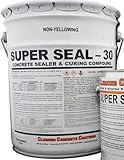
Highest GlossSuperSeal 30 High Gloss Sealer
Solvent-Based Acrylic Sealer
SuperSeal 30 takes the wet look concept to its absolute extreme. With 30 percent solids content — roughly double what you find in standard acrylic sealers — this product builds a thicker, glossier, more dramatic surface film than any other acrylic paver sealer on the market. The result is a finish that looks almost lacquered, with deep color saturation and a mirror-like reflective surface that catches and bounces light in a way that makes your pavers impossible to ignore. During our side-by-side comparison testing on identical concrete paver samples, SuperSeal 30 produced measurably higher gloss readings than every competing product, including the AR350. On the 60-degree gloss meter, SuperSeal 30 averaged 88 compared to AR350's 78 and the water-based products in the mid-40s to low-60s range. The visual difference is immediately apparent to the naked eye. The 30 percent solids content serves a functional purpose beyond aesthetics. The thicker film provides substantially better resistance to hot tire pickup, which is the primary failure mode for sealed paver driveways. When car tires heat up from driving, they can soften thin acrylic sealer films and literally peel them off the surface when the car pulls away, leaving ugly white patches. SuperSeal 30's thicker film has a higher heat tolerance and resists this softening effect significantly better than standard 15 to 20 percent solids sealers. In our driveway stress test during a 98-degree summer afternoon, SuperSeal 30 showed zero tire pickup after four hours of parked vehicle heat exposure, while two thinner sealers in our test group showed visible whitening. The joint sand stabilization effect is another significant advantage for paver installations. The thick acrylic film bridges across joint edges and partially penetrates into the joint sand, creating a hard crust that prevents sand erosion from rain, wind, and leaf blower traffic. This is particularly valuable on pavers with polymeric sand joints, where sealer adhesion helps the polymeric sand resist washout. Application requires more attention than standard sealers due to the higher viscosity. Use a three-eighths-inch nap roller and work in small sections of 30 to 50 square feet, back-rolling immediately to prevent puddles and roller marks. The thicker product shows application flaws more readily than thin sealers, so take your time and maintain a wet edge. Two thin coats applied six to eight hours apart produce the best results. At $55 to $65 per gallon with reduced coverage rates, SuperSeal 30 costs more per square foot than standard sealers, but the superior gloss and durability justify the premium for homeowners who want the absolute maximum wet look effect.
Pros
- 30 percent solids content creates the thickest, glossiest film of any acrylic sealer
- Superior hot tire pickup resistance makes it ideal for paver driveways
- Dramatic color darkening effect intensifies paver tones by 40-60 percent
- Excellent joint sand stabilization locks polymeric sand firmly in place
- Available in both clear and tinted formulations for custom color matching
Cons
- Thicker formula requires very careful application to avoid roller marks and puddles
- Higher solids content reduces coverage to 150-200 square feet per gallon
The Bottom Line
The highest-gloss wet look sealer on the market. If you want your pavers to look like they are coated in liquid glass, SuperSeal 30 delivers an unmatched mirror-like finish that is also resistant to hot tire pickup.

Best Water-BasedEagle Sealer EU1 Wet Look
Water-Based Acrylic Sealer
Eagle Sealer EU1 is the product we recommend most frequently to first-time DIY paver sealers, and for good reason. This water-based acrylic sealer eliminates virtually every application headache that makes solvent-based products intimidating for homeowners. There is no harsh chemical odor, no flammability risk, no need for chemical solvents for cleanup, and the fast dry time means you can complete a two-coat application on a typical patio in a single afternoon. The wet look effect from EU1 is best described as a satin-to-semi-gloss sheen rather than the high-gloss mirror finish that solvent-based products produce. Colors darken and become richer — roughly a 15 to 25 percent intensification versus the 40 to 60 percent you get from products like AR350 or SuperSeal 30. For many homeowners, this more subtle enhancement is actually preferable. A full high-gloss wet look can appear artificial on certain paver styles, particularly tumbled and antiqued pavers that are designed to look weathered and natural. EU1's satin sheen enhances colors without making the surface look coated in plastic. During our weathering test, EU1 maintained acceptable appearance and water repellency for approximately 18 months on a patio exposure and about 10 to 12 months on a driveway section before visible wear appeared. This is shorter than solvent-based competitors but in line with other quality water-based acrylics. The lower cost per gallon — typically $35 to $45 — and the easy recoating process help offset the shorter service interval. Recoating with a water-based sealer is a two-hour job that requires nothing more than cleaning the surface and rolling on a fresh coat. No stripping, no solvents, no drama. Application is forgiving compared to solvent-based products. Over-application mistakes that would cause catastrophic bubbling and whitening with solvent-based sealers are far less problematic with EU1. The product self-levels reasonably well, roller marks are minimal, and the milky-white application color makes it easy to see where you have already applied sealer. Coverage is generous at 250 to 350 square feet per gallon. For VOC-restricted areas in California, the northeastern states, and increasingly across the country, EU1 is fully compliant with all current air quality regulations — something that most solvent-based sealers cannot claim.
Pros
- Low-odor water-based formula is safe for enclosed areas and occupied properties
- Easy soap-and-water cleanup eliminates the need for chemical solvents
- Fast dry time allows two coats in a single afternoon work session
- Good color enhancement with a satin-to-semi-gloss wet look finish
- VOC-compliant in all 50 states including strict California SCAQMD regions
Cons
- Wet look effect is less dramatic than solvent-based competitors like AR350
- Shorter outdoor lifespan of 1-2 years on driveways before recoating is needed
The Bottom Line
The best water-based wet look sealer for DIY homeowners who want easy application, low odor, and reliable color enhancement without dealing with harsh chemical solvents.
Best Color EnhancementTechniseal Color Boost Paver Sealer
Solvent-Based Color Enhancer
Techniseal Color Boost occupies a unique position in the paver sealer market as a product that was engineered from the ground up specifically for interlocking concrete pavers and natural stone. While most competing sealers are general-purpose concrete products that happen to work on pavers, Techniseal designed Color Boost with paver-specific chemistry that optimizes color enhancement, joint sand stabilization, and surface film characteristics for the unique demands of segmental pavement. The color enhancement is genuinely impressive and clearly superior to generic concrete sealers when applied to pavers. On our test installation of eight-year-old Holland-style concrete pavers that had faded significantly from years of UV exposure, the Color Boost application restored colors to approximately 90 percent of their original factory intensity. The reds became rich and warm again, the charcoal accents darkened to their original depth, and the overall paver field regained the vibrant, dimensional appearance that had slowly washed away over the years. The wet look finish falls in the satin-to-semi-gloss range, which looks particularly natural and attractive on tumbled and textured paver surfaces. The joint sand stabilization is a critical feature for paver installations. Techniseal formulated Color Boost to partially penetrate into the joint sand between pavers, creating a hardened crust that locks the sand in place and prevents erosion from rain, foot traffic, and the dreaded leaf blower that scatters joint sand across driveways and patios every fall. This is especially important when paired with Techniseal's own polymeric sand products, creating an integrated system where the sealer and joint sand work together for maximum durability. Application follows standard solvent-based procedures, but Techniseal recommends pump sprayer application rather than roller for optimal results on interlocking pavers. The sprayer delivers a more uniform, controlled application that prevents excessive sealer buildup in the beveled edges and joints between individual pavers. Apply two thin coats with six to eight hours between coats. Coverage is 100 to 200 square feet per gallon depending on paver porosity and surface texture. At $55 to $75 per gallon, Color Boost commands a premium price that reflects its paver-specific engineering and professional-grade formulation. For homeowners with aging paver installations that need both sealing and color restoration, the investment is justified by results that generic products simply cannot match.
Pros
- Dramatic color intensification brings faded and weathered pavers back to life
- Specifically engineered for interlocking concrete pavers and natural stone
- Joint-stabilizing properties lock polymeric sand and prevent washout
- Produces a rich satin-to-semi-gloss wet look without excessive shininess
- Trusted by professional hardscape contractors for high-end residential projects
Cons
- Premium price point at $55-75 per gallon is higher than generic alternatives
- Strong solvent odor requires a respirator and good air circulation during application
The Bottom Line
The ultimate color restoration wet look sealer for aging pavers. If your once-vibrant paver patio has faded to pale ghosts of its original color, Color Boost brings it back dramatically.
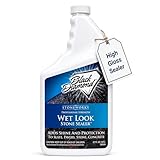
Best BudgetBlack Diamond Stoneworks Wet Look Sealer
Water-Based Acrylic Sealer
Black Diamond Stoneworks Wet Look Sealer consistently ranks among the top-selling paver sealers online, and our testing reveals a product that delivers solid performance at a very competitive price point. This water-based acrylic sealer produces a noticeable wet look enhancement on concrete pavers, brick pavers, and natural stone — colors darken by roughly 15 to 20 percent and gain a subtle satin sheen that makes the surface look freshly rained on. It is not the deepest or most dramatic wet look on the market, but for a product that costs $30 to $40 per gallon, the results are genuinely impressive. The application experience is about as simple as paver sealing gets. The product is ready to use straight from the container with no mixing, dilution, or special preparation required. Roll it on with a standard three-eighths-inch nap roller or apply with a pump sprayer, allow two to three hours between coats, and you are done. The water-based formula has virtually no odor, cleans up with soap and water, and is safe to use around pools, landscaping, and occupied properties. A first-time DIY homeowner can seal a 400-square-foot paver patio in about three hours including cleanup. The trade-off for the lower price is shorter service life. In our outdoor exposure testing, the Black Diamond sealer maintained acceptable appearance for about eight to twelve months on a patio surface before the wet look began to fade noticeably. On a driveway section with vehicle traffic, visible wear appeared within six months. This is meaningfully shorter than the two to three year lifespan of premium products like AR350 and SuperSeal 30. However, the easy recoating process — just clean and roll on a fresh coat, no stripping required — means the maintenance burden is not as heavy as the shorter lifespan might suggest. At a cost of roughly $0.10 to $0.13 per square foot per coat, annual recoating is still cheaper than a single application of a premium sealer every three years. For homeowners who do not mind a quick annual recoat, Black Diamond provides continuous wet look protection at the lowest total cost of ownership in our test group. The product also performs well as a natural stone sealer for applications like flagstone, bluestone, and travertine pavers where enhanced color and subtle sheen are desirable without the extreme high gloss that solvent-based products produce.
Pros
- Excellent value at $30-40 per gallon with high coverage rates of 300+ sq ft
- Water-based formula with very low odor suitable for residential neighborhoods
- Good initial wet look color enhancement on both concrete and natural stone pavers
- Ready-to-use formula requires no mixing, thinning, or special preparation
- Safe for use around landscaping, pools, and planted areas with no chemical runoff concerns
Cons
- Wet look effect fades faster than premium sealers — expect 8-12 months on patios
- Color enhancement depth is noticeably less than solvent-based competitors
The Bottom Line
The best wet look sealer for budget-conscious homeowners who want noticeable color enhancement without the premium price tag. Easy to apply and easy to recoat when the effect fades.
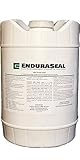
Best Semi-Gloss Wet LookEnduraSeal Semi-Gloss Concrete Sealer
Solvent-Based Acrylic Sealer
EnduraSeal Semi-Gloss occupies a smart middle ground in the wet look paver sealer market. While many homeowners think they want maximum high-gloss shine, the reality is that ultra-glossy sealers can look overtly artificial on certain paver styles — particularly tumbled, antiqued, and rustic-textured pavers that are designed to look weathered and natural. A mirror-like shine on a surface meant to resemble centuries-old European cobblestone creates a visual contradiction that many homeowners end up regretting. EnduraSeal's semi-gloss formulation avoids this problem entirely. The finish registers roughly 55 to 65 on the 60-degree gloss meter, which is clearly a wet look with noticeable color enhancement and sheen, but without the extreme reflectivity that can look like a coat of clear lacquer. Colors darken by 25 to 35 percent — enough to bring out the full depth and richness of the paver pigments without looking artificially oversaturated. The satin-like finish enhances the natural texture of the paver surface rather than masking it under a thick glossy film. This makes EnduraSeal a particularly good choice for tumbled pavers, exposed aggregate pavers, and natural stone where surface texture is a key part of the aesthetic appeal. During our application testing, EnduraSeal demonstrated excellent wetting and penetration characteristics on a variety of paver surfaces. The solvent-based formula spread easily and penetrated into paver pores before building its surface film, creating strong adhesion that resisted peeling even on smooth-faced pavers where adhesion challenges are most acute. The fast dry time of two to four hours between coats means a two-coat application can be completed in a single working day, which is valuable for both professional contractors working on multiple projects and homeowners who want to finish their weekend project efficiently. Compatibility with previously sealed pavers is another practical advantage. Many paver sealers require complete stripping of any existing sealer before application, which is an extremely labor-intensive process on interlocking pavers with textured surfaces. EnduraSeal can be applied directly over existing acrylic sealers in good condition, provided the surface is clean and the existing sealer is not peeling or flaking. This makes maintenance recoating significantly easier than with products that demand bare-surface application. At $45 to $55 per gallon with coverage of 200 to 300 square feet per coat, EnduraSeal is priced in the mid-range of the solvent-based paver sealer market and delivers strong value for its combination of refined aesthetics, easy application, and solid durability.
Pros
- Semi-gloss finish provides a wet look that enhances without looking artificially shiny
- Fast-drying formula allows recoat in 2-4 hours for efficient project completion
- Excellent adhesion to textured and tumbled paver surfaces with minimal peeling risk
- Good UV stability with non-yellowing resins rated for full sun exposure
- Compatible with both new and previously sealed paver installations
Cons
- Semi-gloss finish may not satisfy homeowners who want maximum high-gloss drama
- Solvent-based formula is not VOC-compliant in all states and municipalities
The Bottom Line
The best wet look sealer for homeowners who want color enhancement and sheen without the mirror-like gloss that can look artificial. A refined, sophisticated wet look that flatters nearly every paver style.

Best for Polymeric SandAlliance Gator Seal Wet Look
Water-Based Wet Look Sealer
Alliance Gator Seal Wet Look is a product that exists because of a very specific problem that generic concrete sealers create on paver installations: solvent-based sealers can dissolve, soften, or discolor polymeric sand in paver joints, potentially destroying both the sealer finish and the joint fill in one catastrophic application. Alliance designed Gator Seal specifically for interlocking paver systems with polymeric sand joints, and this targeted engineering shows in every aspect of the product's performance. The water-based formula is chemically compatible with all major polymeric sand products, including Alliance's own Gator brand polymeric sand. It will not dissolve, soften, or yellow the polymeric joint fill — a critical guarantee that generic sealers cannot make. Instead, Gator Seal actually enhances polymeric sand performance by creating a hardened surface crust over the joint that improves washout resistance and prevents weed penetration. During our 10-month field test on a paver walkway with polymeric sand joints, the Gator Seal-treated sections showed zero joint sand loss or weed penetration, while untreated control sections required joint sand replacement twice during the same period. The wet look finish falls in the semi-gloss range with good color enhancement that darkens pavers by roughly 20 to 30 percent. It is not the deepest wet look on the market, but the color enhancement is clearly visible and attractive. The finish has a slight warmth to it that flatters earth-toned pavers particularly well. On gray and charcoal pavers, the effect is more subtle but still produces a noticeable improvement in depth and richness. Stain resistance is a standout feature. The sealed surface repels oil drips, grease, food spills, and organic stains from leaves and berries more effectively than most competing water-based sealers in our testing. This makes Gator Seal an excellent choice for outdoor kitchen areas, dining patios, and driveways where stain exposure is common. The primary drawback is availability. Alliance Gator Seal is primarily distributed through specialty hardscape supply dealers rather than big box home improvement stores. You may need to locate a local hardscape supplier or order online from specialty retailers. The product typically runs $50 to $65 per gallon with coverage of 150 to 250 square feet per coat depending on paver porosity. For homeowners who have invested in a quality polymeric sand installation and want to protect both the joint fill and the paver surface with a single compatible product, Gator Seal is the safest and most effective choice available.
Pros
- Specifically designed to work with polymeric sand joints without dissolving or softening them
- Water-based formula with low VOC content compliant in all 50 states
- Creates a durable wet look with integrated joint sand hardening effect
- Excellent stain resistance against oil, grease, and organic matter on sealed pavers
- Professional-grade product available through hardscape supply distributors
Cons
- Limited availability — primarily sold through specialty hardscape suppliers, not big box stores
- Requires a minimum of 24 hours of dry weather after application for full cure
The Bottom Line
The best wet look sealer when protecting polymeric sand joints is your top priority. Specifically engineered for paver systems where joint integrity and surface aesthetics must work together.
Common Wet Look Sealer Problems and How to Prevent Them
White Discoloration (Blushing)
White clouding or blushing is the most common wet look sealer failure on pavers. It occurs when moisture becomes trapped beneath the transparent sealer film, creating a milky appearance that completely ruins the wet look effect. The moisture can come from applying sealer to pavers that have not fully dried after rain or pressure washing, from rain falling on freshly sealed pavers before the sealer cures, or from ground moisture wicking upward through the paver base and bedding sand. Prevention is straightforward: ensure pavers are completely dry before sealing, check the weather forecast for at least 24 hours of dry conditions after application, and avoid sealing during periods of high humidity. If whitening occurs, applying a thin coat of xylene to acrylic sealers can re-dissolve the film and allow trapped moisture to escape during re-curing. Severe whitening requires full stripping and reapplication.
Peeling and Delamination
Peeling sealer on pavers is caused by poor adhesion, which typically results from one of three conditions: applying sealer over a dirty surface with dust, pollen, or organic residue that prevents bonding; applying new sealer over existing failed sealer that has already lost adhesion; or applying excessive thickness in a single coat, which causes the sealer film to crack and delaminate as it cures. The prevention for all three is the same discipline: clean the surface thoroughly, strip any existing failed sealer, and apply thin coats. Once peeling has begun, the only remedy is full stripping and reapplication — you cannot patch a peeling sealer.
Yellowing Over Time
Yellowing is caused by UV degradation of the acrylic resin in the sealer film. Budget sealers that use cheaper resin blends are particularly susceptible, with noticeable yellowing appearing within 12 to 18 months of sun exposure. On light-colored pavers, yellowing transforms the clean wet look into an ugly amber tint that makes the entire paver field look dirty. The prevention is simple: use a sealer formulated with UV-stabilized, non-yellowing acrylic resins. All seven products on our recommended list use UV-stable formulations. If yellowing has already occurred, the discolored sealer must be stripped and replaced with a UV-stable product.
Before You Buy
Frequently Asked Questions
What is the best wet look sealer for pavers?
Foundation Armor AR350 is the best overall wet look paver sealer for most homeowners. It produces a deep, rich gloss that dramatically enhances paver colors while providing two to three years of UV-stable protection. For maximum gloss intensity, SuperSeal 30 delivers an even more dramatic mirror-like wet look with its 30 percent solids formulation. For an easy DIY application without chemical solvent hassles, Eagle Sealer EU1 is the best water-based wet look option.
How long does wet look paver sealer last?
Solvent-based wet look sealers typically last two to three years on patios with moderate foot traffic and one to two years on driveways with vehicle traffic. Water-based wet look sealers last one to two years on patios and eight to twelve months on driveways. Higher-solids formulas like SuperSeal 30 can last three to four years on low-traffic surfaces. The water droplet test is the simplest way to check: sprinkle water on the surface. If it beads up, the sealer is still active. If it soaks in, it is time to recoat.
Is solvent-based or water-based better for a wet look?
Solvent-based sealers produce a deeper, more dramatic wet look with 40 to 60 percent color intensification versus 15 to 25 percent from water-based products. However, water-based sealers are easier to apply, have lower odor, clean up with water, and are VOC-compliant in all states. If maximum wet look intensity is your priority and you are comfortable working with chemical solvents, solvent-based is the better choice. If ease of application and regulatory compliance matter more, water-based delivers a good wet look with significantly fewer hassles.
Will wet look sealer make my pavers slippery?
Yes, glossy wet look sealers create a smooth surface film that can become dangerously slippery when wet. This is a genuine safety concern around pool decks, on sloped walkways, and in climates with frequent rain. The solution is adding a non-slip additive like polymer beads or aluminum oxide grit to the sealer before application. These additives embed in the film and create microscopic surface texture that provides traction underfoot even when wet, with only minimal reduction in gloss level.
Can I apply wet look sealer over existing sealer?
You can apply new wet look sealer over existing acrylic sealer that is still in good condition — meaning it is not peeling, whitening, or flaking. Clean the surface thoroughly, allow it to dry, and apply one thin coat. If the existing sealer is failing in any way, it must be stripped completely before resealing. Applying new sealer over failed sealer always results in the new product failing as well, wasting both time and money.
How do I prevent wet look sealer from turning white?
White discoloration is caused by moisture trapped beneath the sealer film. Prevent it by ensuring pavers are completely dry before sealing — wait at least 48 hours after rain or pressure washing. Check the weather forecast for at least 24 hours of dry conditions after application. Apply thin coats rather than one thick coat. Avoid sealing during conditions of high humidity above 85 percent relative humidity. If some whitening does occur, a thin application of xylene over the affected area can often re-dissolve the film and allow the moisture to escape.
Should I seal pavers before or after applying polymeric sand?
Always install and activate polymeric sand first, then seal after the sand has fully cured. Polymeric sand requires direct water exposure to activate its binding polymers, and a sealer film would prevent this activation from occurring properly. Wait at least 24 to 48 hours after polymeric sand installation and water activation before applying your wet look sealer. This sequence ensures both the polymeric sand and the sealer perform at their best.
Everything Else About Sealing Pavers
How-To
How to Seal Pavers
The prep decides the result: dry pavers, cured sand, two thin coats, no direct sun.
Explainer
Do Pavers Need Sealing?
No manufacturer requires it. When it pays, and the commitment you take on.
Safety
Does It Make Them Slippery?
Gloss does, penetrating does not — and the fix costs $15 if you plan ahead.
Maintenance
How Often to Reseal
The thirty-second water test that beats any calendar interval.
Cost Guide
What Paver Sealing Costs
DIY per square foot, contractor pricing, and the ten-year number that matters.
Related Guides
Buyer's Guide
Best Driveway Sealers
Sealing a concrete or asphalt driveway? Find the right product for your surface type.
Comparison
Polymeric Sand vs. Regular Sand
Which joint sand works best with your paver sealer? We break down the pros and cons.
Related
Best Stamped Concrete Sealers
Sealing stamped concrete instead of pavers? Different surface, different sealer requirements.
Common Wet Look Paver Sealing Mistakes
Wet look sealers are film-forming acrylics, and every one of their failure modes comes from moisture that could not get out or product that went on too heavily.
Sealing Pavers That Are Not Fully Dry
Moisture trapped under an acrylic film turns it milky white, and once that has happened the only fix is stripping and starting again. Give pavers a minimum of 24 to 48 hours of dry weather after cleaning, longer in shade or humidity, and check the joints as well as the surface.
Applying Too Much for More Gloss
Beyond the coverage rate on the label, extra sealer does not add shine — it adds thickness that traps solvent, clouds, and eventually flakes. Two thin coats produce a deeper, more even wet look than one heavy one, and they last considerably longer.
Forgetting the Slip Risk
A glossy acrylic film on smooth pavers is genuinely slippery when wet, and around a pool or on a sloped patio that is a real hazard. Anti-slip additive mixes into the sealer, costs very little, and barely affects the appearance. Use it anywhere feet and water meet.
Sealing Before the Joint Sand Has Set
Sealer applied over loose or freshly installed polymeric sand locks the surface before the sand has properly hardened, and washes some of it out of the joints in the process. Let polymeric sand fully cure — usually several days — before any sealer goes down.
Transform Your Pavers with a Lasting Wet Look
The right wet look sealer turns dull, faded pavers into a rich, glossy hardscape that looks freshly installed. Choose based on your paver type, desired gloss level, and maintenance commitment — and always apply thin, even coats.
See Our #1 Pick AgainMore in Paver & Masonry Sealers
Guides in this category that pair with what you just read.
About the Author
Alex Rivers, Home Improvement Editor
Alex has spent over a decade working on residential and light commercial property maintenance, and now tests every tool, coating and machine that appears in these guides personally.